College Point Locksmith Service Team
Local locksmith team
Apr 16, 2026 12 min read
Moving into a new home in College Point — whether it's a row house off 14th Avenue, a co-op near the Flushing Bay waterfront, or a detached single-family on 130th Street — comes with one question that doesn't get asked nearly enough: who else has a key to your door? Former owners, real estate agents, maintenance workers, neighbors with emergency access... the list adds up fast. Before you unpack a single box, securing your locks should be near the top of your to-do list.
The good news is that you have two practical options: rekeying your existing locks or replacing them entirely. Each makes sense in different situations, and the right call depends on the condition of your hardware, the type of locks already installed, and your long-term security goals. This guide walks you through exactly how to think about that decision — covering everything from standard door knob locks to mortise locks — so you can move into your College Point home with real peace of mind.
## Rekeying vs. Replacing: What Is Actually Happening to Your Lock
Rekeying a lock means a trained locksmith changes the internal pin configuration inside your existing lock cylinder so that the old key no longer works. A new key is cut to match the new pin arrangement. The lock body, the hardware on your door, and the strike plate all stay exactly where they are. When people ask how do you rekey a lock, this is the answer: a professional removes the cylinder, changes the pins to a new pattern, and issues you a fresh key — often in under 30 minutes per lock. Rekeying does not improve a worn-out lock or upgrade your security level; it simply ensures that previously issued keys are dead.
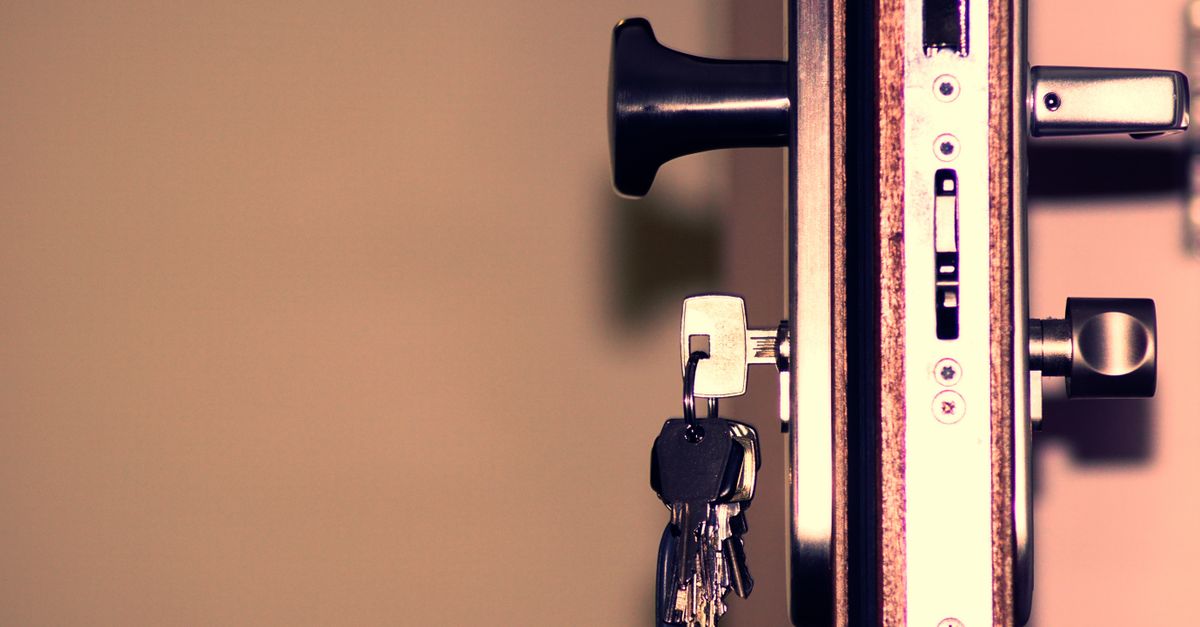
Replacing a lock, on the other hand, means removing the entire lockset — cylinder, body, and sometimes the strike plate — and installing new hardware. This is the right move when the existing lock is damaged, outdated, a poor fit for your door, or simply not the security grade you want. In older College Point homes and attached Queens row houses, you will often find aging mortise locks — the large, rectangular lock body embedded into the edge of the door — and these frequently need professional evaluation to determine whether rekeying is even viable or whether the mechanism has simply worn past reliability.
## How Do You Rekey a Door Lock — and Can You Rekey Any Lock?
The rekeying process starts with disassembling the lock cylinder using a professional follower tool to retain the spring-loaded pins. The old driver pins and key pins are removed, a new key is inserted as a guide, and matching pins are installed so the new key aligns the shear line correctly. This is precise work — the wrong pin height by even a fraction of a millimeter means the lock will not turn. That is why rekeying is always a job for a skilled locksmith rather than a DIY project, even though rekeying kits exist at hardware stores. A mistake means a lock that either fails to open with any key or can be turned without one.
Can you rekey any lock? The honest answer is: most, but not all. Standard pin-tumbler locks — including the Schlage and Kwikset knob and deadbolt sets found in most Queens homes — are straightforward to rekey. Mortise locks with pin-tumbler cylinders can also be rekeyed, though the cylinder removal process is more involved and requires experience with that specific format. High-security locks with sidebar mechanisms or restricted keyways can also be rekeyed, but only by someone trained on that specific system. Wafer locks (common in older cabinets and some older residential hardware) can technically be rekeyed but are rarely worth the effort given their lower security level. If you are not sure what type of lock you have, a quick on-site assessment from our team will give you a definitive answer.
## Mortise Locks, Door Knob Locks, and Knowing When Full Replacement Is the Right Move
College Point has a mix of housing stock that spans several decades, which means the locks our team encounters range widely. Mortise lock systems — the kind built into a pocket in the door's edge rather than bored through the face — are common in pre-1980s attached homes and in any property with older wood doors. A functioning mortise lock is genuinely robust when it is properly maintained, but when the internal mechanism has worn out, the tailpiece is damaged, or the case is cracked, rekeying a mortise lock cylinder is only half a solution. The body of the lock itself needs attention, and that usually means replacement or a full service overhaul. Our team handles mortise lock work specifically — not just the cylinder but the entire mechanism — so if your College Point home has one, we can give you an honest assessment rather than a quick fix that fails six months later.
Door knob locks, meanwhile, are extremely common in interior and side-entry doors throughout Queens. They are the easiest to rekey and, because they offer lighter security than a deadbolt, they are also the most common candidate for a full upgrade rather than a simple rekey. If your new home has door knob locks as the primary exterior security — no deadbolt above them — replacement with a quality deadbolt and knob combo is the stronger long-term move. Can you rekey a lock to match an existing key? Yes — a locksmith can rekey multiple locks throughout your home so they all operate on one key, which is especially useful when you are dealing with several entry points. This is called keying alike, and it is one of the most popular services we provide for new homeowners in College Point and across Queens.
## Smart Locks: Can You Rekey a Smart Lock, and What About Yale Models?
Smart locks are increasingly popular in newer Queens condos and renovated homes, and they raise a specific set of questions. Can you rekey a smart lock? It depends on the model. Many smart locks use a traditional key cylinder as a backup entry method alongside their electronic mechanism — and that cylinder can be rekeyed just like a standard lock. Others are purely electronic with no key backup, in which case rekeying in the traditional sense does not apply; instead, you reset the access codes, delete existing user profiles, and issue new credentials. Can you rekey a smart lock without the original key? For models with a physical cylinder, a trained locksmith can often remove and rekey the cylinder through professional methods even without the original key — though it is more involved than a standard rekey. Can you rekey a Yale smart lock? Yale smart locks that include a physical key cylinder can be rekeyed; those that are exclusively app or keypad operated require a factory reset and re-enrollment of access credentials instead. If you have moved into a College Point home with a smart lock already installed, do not assume changing the code alone is sufficient — call us and we will walk through the specific model with you to make sure all access points are properly secured.
If you are in the middle of sorting out which locks need attention and want a professional opinion before committing to any service, reach out to us directly. We do on-site assessments across Queens and can tell you clearly what each lock needs — rekeying, replacement, or just a service — before any work begins. Call 718-635-9146 and our team will schedule a visit at your convenience.
## What Determines the Cost of Rekeying or Replacing Locks in Queens — and What to Ask Before Any Work Starts
One of the most common questions we hear from new homeowners — right alongside how do you rekey a door lock — is about pricing. There is no honest single-number answer, because several factors shape what a locksmith job actually costs. The type of lock matters: rekeying a basic Kwikset deadbolt is a different scope of work than overhauling a worn mortise lock or resetting a smart lock system. The number of locks being serviced matters. Whether the call is during regular hours or late at night as an emergency locksmith visit matters — after-hours response involves different logistics. Travel distance within Queens, and whether specialty parts or replacement hardware are needed, both factor in as well. Asking how much should a locksmith cost in NYC or how much do locksmiths charge on average will get you ranges, but ranges are not quotes. We never start work without giving you a confirmed, exact price first — no surprises on the invoice.
That transparency matters especially when you are dealing with an emergency. If you have just moved in and realize your locks are compromised, or you have locked yourself out of your new College Point home, you need to know the cost upfront — not after the job is done. How much should an emergency locksmith cost? How much does an emergency locksmith cost near me? The honest answer is: it depends on the same factors listed above, and any provider who quotes a flat number before seeing the job should raise a flag. We assess, quote, confirm, then work. Our team is available around the clock — when you call 718-635-9146, you reach someone immediately, day or night, who can give you a real answer about how much does a locksmith charge per hour or what a fixed-scope job will cost for your specific situation. We are a mobile team, so we come to you anywhere in Queens — College Point, Whitestone, Flushing, Murray Hill, and beyond.
## Our Full Range of Locksmith Services for Queens Homeowners and Businesses
College Point Locksmith is a 24/7 mobile locksmith serving all of Queens, and our service menu covers the full range of what homeowners, renters, and local businesses need. Here is a complete picture of what we handle: residential lock rekeying, residential lock replacement, mortise lock service and replacement, door knob lock installation, deadbolt installation and upgrade, smart lock installation and reset, keyless entry system setup, master key system design, keying alike for multiple locks, high-security lock installation, sliding door lock service, window lock installation, mailbox lock replacement, garage door lock service, safe opening and combination change, car lockout service, car key replacement, transponder key programming, ignition repair and replacement, broken key extraction from locks and ignitions, commercial door lock installation, commercial mortise lock service, access control system installation, push bar and panic hardware installation, intercom and buzzer system support, storefront lock service, door closer adjustment and replacement, lock repair for damaged or jammed locks, and emergency lockout response for homes, businesses, and vehicles. Whether you are a new homeowner in College Point trying to secure your front door or a small business owner on College Point Boulevard dealing with a broken commercial lock, we have the equipment and experience to handle it on-site without a shop visit.
Frequently asked questions
How do you rekey a lock, and can I do it myself?+
Rekeying a lock involves removing the cylinder, replacing the internal driver and key pins with a new set that matches a freshly cut key, and reassembling everything precisely. Professional rekeying kits exist for consumer purchase, but the process requires exact pin heights and the right follower tools to avoid losing the spring pins or misaligning the shear line. A small error leaves you with a lock that either sticks or fails entirely. For a new home where security matters, having a trained locksmith handle the rekey is the practical choice — it is faster, guaranteed to work, and ensures your cylinder is inspected for wear at the same time.
Can you rekey a smart lock without the original key?+
For smart locks that include a physical key cylinder, a skilled locksmith can typically remove and service the cylinder without the original key using professional methods — this is similar to how locksmiths handle standard lockouts. For smart locks that are purely electronic (app or keypad only, no key cylinder), there is no key to rekey. Instead, the lock is factory reset and all existing user codes and paired devices are wiped. Can you rekey a Yale smart lock? Yale models vary by product line — those with a physical cylinder can be rekeyed; purely electronic Yale models require a full reset. We can identify your specific model and handle it correctly on-site.
How much does an emergency locksmith cost, and what determines the final price?+
How much an emergency locksmith costs depends on several factors: the type of lock or vehicle involved, the specific service needed (lockout, rekey, full replacement), the time of day, your location within Queens, and whether specialty parts are required. Emergency calls late at night or on holidays involve different logistics than a scheduled daytime appointment, and that is reflected in the quote. Rather than give you a ballpark that may not match your situation, we assess the job when we arrive and confirm an exact price before any work begins. There are no hidden fees added after the fact. Call 718-635-9146 any time and we can walk through your situation and give you an honest expectation.
Is rekeying enough, or should I replace my locks entirely when moving into a new Queens home?+
Rekeying is the right move when your existing locks are in solid working condition, are a good security grade, and you simply need to invalidate all previously issued keys. It is faster and involves less hardware. Replacement makes more sense when the locks are worn, damaged, outdated, a low security grade, or do not match the needs of your door — for example, if you have only door knob locks on an exterior entry with no deadbolt above them. Mortise locks deserve a closer look: the cylinder can be rekeyed, but if the lock body itself is worn or the mechanism is stiff, a full service or replacement is the smarter long-term investment. If you are unsure, a quick on-site visit from our team gives you a clear answer without any obligation to proceed.